
Why Kidney Disease is Called a “Silent Killer” in India
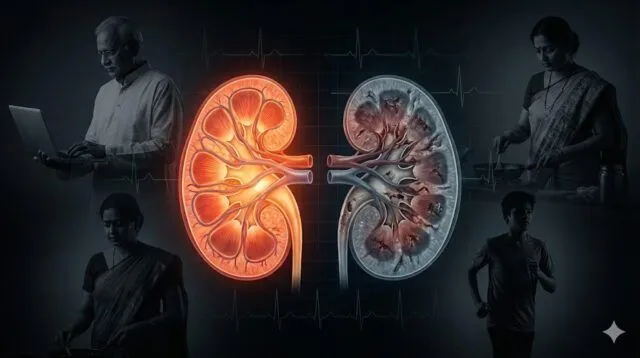
Last month, a 42-year-old IT professional walked into our clinic complaining of persistent fatigue. He thought it was work stress. His blood reports revealed something far more serious—his kidneys were functioning at just 25% capacity. He had advanced chronic kidney disease, and he had no idea.
This isn’t a rare story. Across India, millions are living with damaged kidneys without knowing it. That’s exactly why kidney disease has earned the frightening title of “silent killer.”
The Dangerous Silence of Kidney Disease
Your kidneys are remarkable organs. Even when they’re losing function, they continue working without raising an alarm. Unlike a heart attack that announces itself with chest pain, or diabetes that shows up with excessive thirst, kidney disease quietly progresses in the background.
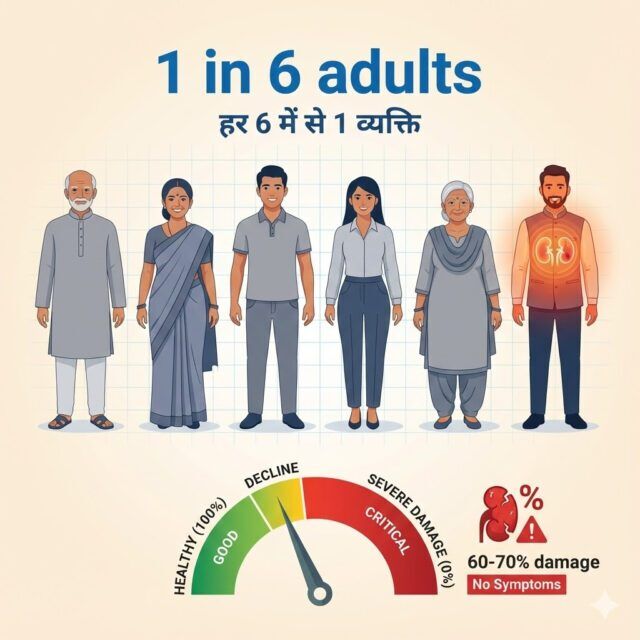
Here’s the troubling reality: Most people don’t experience noticeable symptoms until their kidneys have lost 60-70% of their function. By this stage, the damage is often irreversible, and patients need dialysis or transplant to survive.
In medical terms, we call this the “asymptomatic phase”—a period where your kidneys are deteriorating, but your body sends no warning signals. This silent progression is what makes kidney disease so dangerous.
The Alarming Numbers from India
The statistics paint a worrying picture. According to a comprehensive study published in The Lancet (2020), over 17% of India’s adult population shows signs of chronic kidney disease1. That’s roughly 1 in 6 adults. Yet, research from the Indian Journal of Nephrology indicates that less than 10% of these individuals are aware they have it.
In North India, particularly in states like Uttar Pradesh, Delhi, Punjab, and Haryana, the prevalence is even higher due to lifestyle factors, diabetes, and hypertension. According to data from the Indian Society of Nephrology, approximately 2.2 lakh new patients in India reach end-stage kidney disease requiring dialysis or transplant every year.
The tragedy? Many of these cases could have been prevented or slowed down with early detection and proper management.
Why Don’t People Notice?
Your kidneys have an extraordinary ability to compensate. When one part is damaged, the healthy portions work overtime to maintain your body’s balance. This compensation mechanism is both a blessing and a curse—it keeps you feeling normal while the disease silently advances.
Additionally, early kidney disease symptoms like mild fatigue, slight changes in urination frequency, or occasional swelling are easy to dismiss. We blame it on aging, stress, or poor sleep. We don’t think “kidney problem.”
The Indian Context Makes It Worse
Several factors unique to India amplify this silent crisis:
Late diagnosis culture: Many Indians avoid routine health check-ups, preferring to visit doctors only when symptoms become unbearable. By then, kidney disease has often progressed significantly.
Diabetes and hypertension epidemic: India has over 77 million diabetics and a similar number of people with uncontrolled blood pressure—both are leading causes of kidney disease. Many don’t manage these conditions properly, allowing kidney damage to occur unnoticed.
Lack of awareness: Unlike heart disease or cancer, kidney disease doesn’t receive the same public health attention. Most people don’t know what kidney disease symptoms look like or who is at risk.
Financial barriers: Even when people suspect something is wrong, the fear of medical expenses prevents them from getting tested. Ironically, early detection and treatment cost a fraction of what dialysis or transplant eventually requires.
Breaking the Silence: What You Can Do
The good news? Kidney disease is highly detectable with simple blood and urine tests. A basic kidney function test measuring creatinine, eGFR (estimated Glomerular Filtration Rate), and urine albumin can reveal problems years before symptoms appear.
You should get tested if you:
- Are over 40 years old
- Have diabetes or high blood pressure
- Have a family history of kidney disease
- Are you overweight or obese
- Have heart disease
- Smoke or use tobacco products
- Take painkillers regularly
Early detection means early intervention. With proper medication, dietary changes, and lifestyle modifications, we can slow or even halt the progression of kidney disease. But this only works if you catch it before silence turns into crisis.
Your Kidneys Deserve Attention
Don’t wait for symptoms to appear. By the time kidney disease announces itself with clear signs, you may have already lost most of your kidney function. Annual health check-ups aren’t luxuries—they’re necessities, especially if you’re in a risk category.
Your kidneys filter your entire blood volume dozens of times daily, removing waste, balancing fluids, and regulating vital functions. They deserve the same preventive care you give your heart or your blood sugar.
Share Your Story With Us
Have you or a loved one experienced kidney disease? We’d love to hear your journey—the early signs you noticed, challenges you faced, or how early detection helped you. Your story could save someone’s kidneys and potentially their life.
Connect with us through Kidney Support Network. We’re building a community of kidney health warriors, and your experience matters. Selected stories may be featured in our Hindi podcast or educational workshops, helping thousands across North India learn from real experiences.
Take Action Today
If you haven’t had a kidney function test in the past year and you’re over 40 or have risk factors, schedule one this week. A simple blood test could be the difference between healthy kidneys and a lifetime of dialysis.
At 7Med India, our 19 dialysis centers across North India see hundreds of patients every week—many wish they had known about their kidney disease earlier. At Epitome Kidney Urology Institute, our nephrology team specializes in early detection and intervention programs.
Don’t let kidney disease remain silent in your body. Make some noise—get tested, stay informed, and protect your kidneys before it’s too late.
REFERENCES
- The Lancet Global Health (2020). “The Global Burden of Chronic Kidney Disease” – https://www.thelancet.com/journals/langlo/article/PIIS2214-109X(20)30003-3/fulltext
- Agarwal SK, Srivastava RK. “Chronic Kidney Disease in India: Challenges and Solutions.” Indian Journal of Nephrology. 2018;28(4):247-249. – https://www.indianjournalofnephrology.org
- Indian Society of Nephrology. “CKDRI – Chronic Kidney Disease Registry of India.” 2020 Annual Report. – https://www.indiansocietyofnephrology.org
- International Diabetes Federation. “IDF Diabetes Atlas – India.” 2021. – https://diabetesatlas.org
Source: “Why Kidney Disease Is Called a Silent Killer in India” originally published on Epitome Hospitals website on 22 December 2025 — the original article can be read at: https://www.epitomehospitals.com/blog/why-kidney-disease-is-called-a-silent-killer-in-india/